
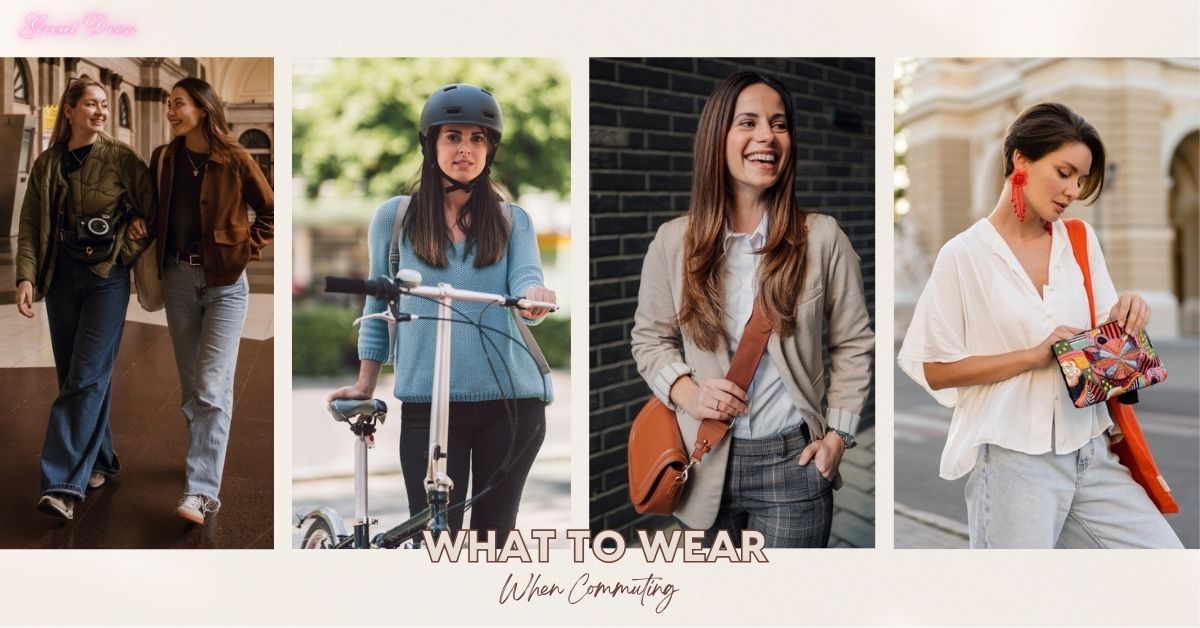
Every weekday morning, millions of women around the world step onto crowded sidewalks, squeeze into packed trains or buses, and walk several blocks just to get from home to their workplace. Commuting isn’t glamorous — it’s often sweaty, hurried, unpredictable. But that doesn’t mean you have to sacrifice comfort or style. What you wear while commuting can make a huge difference: it can keep you cool (or warm), ease stress, help you move quickly, and still allow you to arrive looking fresh and confident. This article is all about helping you answer the question: What to wear when commuting? — with practical tips that balance comfort, safety, and style.
In the sections that follow, we’ll explore how to pick clothing, shoes, and accessories suited to public‑transport commutes; how to adapt to seasons; how to handle wardrobe and hygiene challenges; and how to avoid common mistakes. Whether you’re darting between buses in Manila, strolling across London underground stations, or rushing through New York’s subway during rush hour, these tips will help you commute smarter — not just in what you do, but in what you wear.
Why What You Wear on a Commute Matters
-
Mobility and comfort: Commuting often involves a lot of walking, standing, and shifting between transport modes (walking to the bus stop, squeezing into a train, climbing stairs, brisk walking to the office). Clothing that restricts movement or shoes that pinch will make the journey unpleasant and exhausting.
-
Climate comfort: Many commutes involve transitions between very different environments — humid, hot outdoor streets; sweaty packed vehicles; air-conditioned offices or trains. The right clothes help your body adapt without overheating or shivering.
-
Practicality & safety: From protecting skin in the sun or rain to security in crowded spaces, what you wear affects how you navigate the commute. Darker, simple outfits may draw less unwanted attention; closed shoes protect your feet in cramped crowds; secure bags minimize pickpocket risk.
-
Appearance: Many commuters still want to arrive looking presentable for work — wrinkle-free, polished, and appropriate to their office dress code. The right outfit can save you the hassle of changing clothes on arrival or sacrificing style altogether.

The Core Principles: What to Prioritize in Commuter Clothes
Comfort & Breathability
-
Choose natural, breathable fabrics such as cotton, linen, light jersey, or blended knits — especially in warm, humid cities. These allow air flow and help reduce overheating or sweat buildup. T
-
Avoid heavy, stiff, or scratchy materials that restrict movement or cause discomfort.
Mobility & Versatility
-
Pick clothing that allows easy movement — nothing too tight or restrictive. Simple trousers, jeans, leggings, midi skirts, or loose-fitted dresses work often.
-
Use layers if you expect temperature changes. A light tee plus a loose jacket or cardigan is easier to handle than a heavy coat or blazer you can’t remove when crowded.
Practical Footwear
-
Commuting often involves a lot of walking; choose comfortable closed‑toed shoes: sneakers, loafers, flats, slip-ons.
-
Avoid high heels — they’re uncomfortable and even unsafe in crowded or slippery environments.
Secure, Functional Bags
-
Use zip-top backpacks, crossbody bags, or sling bags. Avoid open totes — they’re easy for pickpockets or for items to fall out when you jostle.
-
Keep valuables like wallets, phone, and cards hidden and secure — commuting often means crowds, and you don’t want to make yourself an easy target.
Hygiene & Self-Care Awareness
-
If you tend to sweat or the commute is long and crowded, try lightweight makeup, minimal fragrance or skip makeup altogether until you reach your destination.
-
Pack essentials: small towel or handkerchief, deodorant or deodorant wipes (especially in humid climates), water and sun-care (like sunglasses or sunscreen), and perhaps a spare top or underwear if your route is sweaty.
What to Wear When Commuting — Outfit Ideas & Real‑World Examples
Here are some go-to outfit formulas depending on style preference, climate, and commute type. You can mix and match based on your city, distance, weather, and destination (office, school, errands).
| Use Case / Style | Outfit Formula | Why It Works |
|---|---|---|
| Casual / Everyday commutes | Basic tee or loose blouse + jeans or comfortable trousers + sneakers/flats + crossbody bag | Simple, breathable, easy to move — good for informal offices, errands, or flexible schedules. |
| Smart‑casual / Office commutes | Light button‑down shirt (linen/chambray), tailored trousers or midi skirt, flat loafers/ballet flats, structured crossbody or backpack | Strikes a balance between comfort and polish; breathable fabrics with a crisp look on arrival. |
| Hot/humid climate (tropical summers) | Loose cotton or linen top, A-line midi skirt or wide‑leg trousers, slip-on sneakers/flats, sunglasses, small water bottle, light scarf/jacket for AC zones | Helps cope with heat and humidity; allows layering for air-conditioned offices without overheating outdoors. |
| Rainy/unpredictable weather | Breathable top + quick-dry or water-resistant jacket (or light raincoat), dark jeans or pants, closed-toe slip-resistant shoes, umbrella or compact rain poncho | Shields from rain and slipperiness, keeps you comfortable when commuting involves walking in the rain or waiting in the rain. (Also mindful of safety and cleanliness.) |
| Multistep commute (long train + walking + office) | Layered outfit: base tee or blouse + cardigan or light jacket, wrinkle‑resistant trousers or skirt, comfortable shoes; carry a foldable bag or compact backpack plus essentials (water, mini-deodorant, microfiber towel). Optional: a freshen-up kit in the office. | Layers help you adjust to different climates and environments; packing essentials ensures comfort and hygiene en route. |
Real‑Life Anecdotes & Observations
-
In the Philippines, many commuter women opt for jeans or leggings, simple tops, and sneakers or flats, citing comfort and practicality over style — especially on crowded jeepneys or MRT rides.
-
During sweltering hot days, wearing thick layers, heavy fabrics, or tight clothes results in discomfort and sweat, leading many to ditch blazers or cardigans until they reach the office.
-
Some urban commuters embrace a style referred to as “commuter‑core”: muted colors, minimalist fits, structured (but comfortable) outfits that allow easy movement and look polished.
Seasonal & Contextual Considerations
What you wear when commuting can — and should — change with the season, weather, and daily environment. Here’s how to adjust based on common contexts:
Hot & Humid Cities (e.g., Southeast Asia, Summer Months)
-
Favor cotton, linen, light knits — choose breathable and moisture-wicking fabrics.
-
Use light colors so sweat stains are less visible and heat absorption is lower.
-
Stick to loose cuts (flowy blouses, A-line skirts, wide-leg pants) to allow air circulation. Tight clothes cling when you sweat.
-
Carry a compact cardigan or light jacket if you’ll move from heat outdoors to cold indoor offices or air‑conditioned vehicles.
Wet / Rainy Seasons
-
Wear water-resistant outerwear (raincoats, light jackets, quick-dry fabrics) rather than heavy wool coats that get soggy.
-
Opt for closed‑toe, non‑slip shoes — avoid sandals or flimsy footwear that can be dangerous when surfaces are wet or slippery.
-
Use compact, zippered bags to prevent water damage to your belongings.
Cold Weather / Air‑Conditioned Environments
-
Layer a light sweater or cardigan over a breathable base layer — easier to carry than a bulky coat but provides warmth when needed.
-
Choose fabrics that resist wrinkles or hold shape, especially if you spend time sitting and then rushing to a meeting. Some commuter‑style outfits use stretch knits or ponte fabrics for this reason.
-
Consider carrying a simple scarf or shawl — easy to stash in a bag, useful for extra warmth in chilly offices or transport.
Unleash the Thrill: Ride the Future with HappyRun E‑Bikes!
Experience the ultimate ride with HappyRun, where cutting-edge e‑bikes and electric motorcycles meet adventure. Feel the rush as you conquer trails, streets, or off-road paths with power, style, and eco-friendly efficiency. From sleek city cruisers to rugged dirt bikes, we’ve got the perfect machine to electrify your journey. Visit happyrunsports.com today and transform every ride into an unforgettable adventure!
What to Avoid: Common Mistakes & Outfit Pitfalls
-
High heels, stilettos, or delicate shoes — these might look chic, but they’re impractical and often painful in crowded, sweaty, or slippery commute environments. Many stylists advise flat, sturdy, closed-toe shoes instead.
-
Heavy fabrics, tight-fitting clothes, or non-breathable materials — these can make you overheat, feel sticky, or restrict movement.
-
Large open-top tote bags or loose purses — they are easy targets for theft or may lose small items when you’re squeezed in a crowd.
-
Perfumes or heavy fragrances — in crowded public transport, strong scents can be irritating to others. Light, minimal fragrance (if any) is more considerate.
-
All‑white or very light bottom clothing on messy or dirty commutes — easy to stain with dirt from floors, grease, or other commuters. A flatter fabric, darker color, or quick‑wash pair might be more practical.
Step‑By‑Step Morning & Evening Commuting Routine (Clothes Edition)
Here’s a simple routine to help you plan what to wear — and pack — when commuting daily.
-
Check the weather + commute mode
-
Hot & humid? Choose breathable fabrics and light colors.
-
Rainy? Wear quick‑dry outerwear, waterproof footwear, and pack an umbrella or poncho.
-
Cold/rainy/variable climate? Layer a base with a light jacket or cardigan.
-
-
Pick a base outfit
-
Casual day: T‑shirt + jeans/comfortable pants + sneakers.
-
Office day: Button‑down or blouse + tailored trousers or midi skirt + flats or loafers.
-
-
Add functional accessories
-
A secure zip‑top bag or crossbody bag/backpack. Preferably worn across the body or chest for safety.
-
Sunglasses, hat, or scarf if commuting outdoors.
-
Small essentials: water bottle, mini deodorant or wipes, handkerchief or small towel — especially useful in humid or hot commutes.
-
-
Wear comfortable shoes
-
Closed‑toe sneakers, loafers, flats, or slip‑ons are safest.
-
Avoid heels unless you have a discreet pair to change into once you arrive.
-
-
Upon arrival — freshen up if needed
-
If you sweat or feel sticky, a quick wipe with a handkerchief, light misting, or a change of clothes or undershirt (if feasible) can help. Some choose to keep a spare top at the office for this very reason. (This is especially common in countries with humid weather.)
-
Body Type, Style Preference & Personal Fit: Tailoring Your Commuter Wardrobe
Not all women are built the same — and what looks good on one might feel wrong on another. But you can adapt commuter‑friendly fashion to your body type and style preferences. Here’s a quick guide inspired by fashion stylists for “commute style by body type.”
-
Hourglass figure: Choose fabrics and cuts that highlight the waist without restricting movement — e.g., wrap dresses, tailored ponte dresses, or slim trousers with a fitted top.
-
Pear shape (wider hips): Balance proportions with a structured or padded-shoulder jacket, flowy blouses, and straight‑leg pants or A-line skirts that skim over the hips.
-
Apple shape (fuller midsection): Opt for empire‑waist dresses or tops, tunics with structured leggings, or draped cardigans that fall gracefully without clinging.
-
Rectangle shape (balanced but less defined curves): Use belts, paper‑bag waists, flared skirts or layered tops to add dimension and create shape.
-
Petite frame: High‑waisted trousers, midi dresses, or monochrome outfits elongate the body visually. Avoid overly bulky or oversized outfits.
-
Tall frame: You can carry midi or maxi dresses, wide‑leg pants, long coats or vests — but be sure to use belts or seams to avoid a “boxy” look if you want structure.
You don’t have to strictly follow these suggestions — but knowing your body type and what types of cuts or fabrics flatter you can help you build a commuter wardrobe that feels good and works well for your everyday life.
Safety, Respect, and Mindful Dressing — Beyond Just Look & Comfort
Commuting isn’t only about comfort and style. For many women, especially in crowded urban public transport systems, there are deeper considerations tied to safety, privacy, and social dynamics.
-
Some commuters choose modest, non-attention‑grabbing clothing for security reasons — e.g., darker or neutral colors, simple patterns, clothes that don’t draw unnecessary attention.
-
For women commuting at night, or in cities where street harassment is common, some research highlights how the choice of clothing may impact perceived vulnerability. For example, a recent report from a major transport authority noted women avoid short dresses or revealing outfits when using public transit at night — they feel less exposed and safer.
-
A practical “commuter‑core” aesthetic supports this: functional, clean, and subtle outfits that don’t stand out aggressively yet look put‑together.
So when you decide, “What to wear when commuting?”, it’s worth thinking not only about comfort and fashion — but also about how your clothes support your sense of safety, privacy, and confidence.
Common Questions & FAQs
Q: Can I wear a dress when commuting?
Yes — but choose the right kind. Flowy or loose dresses, midi-length or maxi dresses made with breathable fabric, or shirt‑dresses tend to work better than body‑con or tight dresses. Pair them with flats or sneakers and a secure bag. Many commuters do this successfully.
Q: What about fragrances and makeup during commute?
If you can, keep it minimal. In crowded public transport, strong perfumes may bother others. Heavy makeup may smudge due to sweat, humidity, or rubbing against seats/other passengers. Many style guides recommend a light, natural look or saving makeup for after you arrive.
Q: Should I carry heels / nicer shoes for work and commute in flats?
If your workplace demands more formal shoes, this is a smart strategy many commuters use. Wearing sneakers or flats during commute — and carrying a spare pair of heels or dress flats in your bag — balances comfort with professionalism. Several “commuter‑friendly outfit” guides recommend this.
Q: Is layering always better?
Layering is helpful when commuting across environments (hot outdoors ➝ crowded transport ➝ air‑conditioned office). But heavy layers are impractical in humid climates. Instead, use light layers (cardigan, light jacket) you can easily take off and store.
Q: How to keep bag heavy items (lunch, laptop, extra clothes) manageable?
Use a structured backpack or crossbody bag with secure closures. Avoid large, open totes. Distribute weight evenly, and use ergonomic straps. Also, consider leaving non‑essentials (like extra clothes, shoes) at office if possible to lighten daily load.
Putting It All Together: Sample “Commuting Capsule Wardrobe”
If you want a minimal set of clothes that work across seasons and occasions, here’s a sample capsule wardrobe you could build — especially handy if you commute daily, want to simplify choices, and still look good.
-
2–3 breathable tops (cotton or linen tees, light blouses, button-down shirts)
-
1 pair of comfortable jeans or trousers (stretch or loose-cut)
-
1 pair of tailored trousers or a midi skirt (neutral color)
-
1 versatile dress (A-line or comfortable cut, mid-length)
-
1 lightweight jacket or cardigan for layering (for AC or cooler mornings)
-
1 pair of closed‑toe comfortable shoes (sneakers/flats / loafers)
-
1 crossbody bag or secure backpack (zip closure)
-
Essentials: compact umbrella or foldable poncho, small water bottle, handkerchief / small towel, small toiletry kit (deodorant, wipes)
This baseline set means you’ll always have something appropriate — whether it’s rainy, hot, formal, or casual — without overthinking every day’s outfit.
Why This Style Philosophy Works — Backed by Research & Expert Opinion
-
Stylists and workplace‑style guides often recommend lightweight fabrics like linen or cotton, plus breathable blends, for sweaty commutes; they highlight layering, comfort, and moisture management.
-
Fashion‑forward commuter guides note the rising popularity of what they call “commuter‑core” — tailored fits, neutral tones, minimalist yet polished looks — for women always on the go
-
Advice from urban‑style blogs consistently points to comfortable footwear, breathable but structured clothing, and functional bags as the foundation of a commuter wardrobe.
-
Public‑transport safety reports also highlight how some women deliberately pick modest, less‑attention‑grabbing clothes to feel safer during evening or late‑night commutes.
Taken together, these insights show that “What to wear when commuting?” isn’t just a matter of personal taste. It’s a practical, strategic decision — one that affects your comfort, safety, confidence, and even your daily productivity.
Final Thoughts & Recommendations
Commuting doesn’t need to feel like a battle between style and practicality. With thoughtful choices, you can build a wardrobe that helps you move, adapt, and arrive ready — without sacrificing comfort, professionalism, or personal style. When deciding what to wear, prioritize breathability, mobility, simple functionality, and safety. Let your bag and shoes support your movement, and use layers to negotiate temperature shifts.
My advice: experiment with a small “commuter capsule wardrobe” first — a few versatile pieces that you can mix and match according to the day. Over time, you’ll learn what works best for your city’s climate, your commute rhythm, and your job requirements. That way, you answer the question “What to wear when commuting?” not with stress or anxiety — but with confidence and ease.