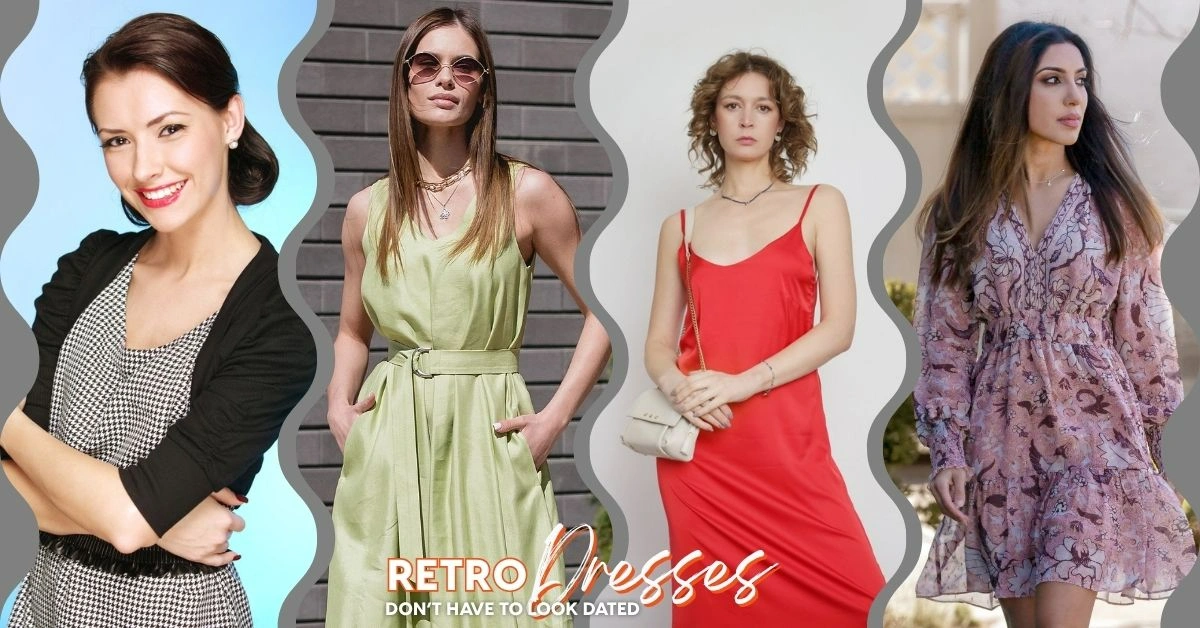
Most retro dress advice online swings between two extremes. It either turns you into a time capsule or waters everything down until it barely feels retro at all. There’s no middle ground. You end up looking like you stepped out of a 1950s diner, or like you grabbed a random vintage piece without knowing what to do with it.
The issue isn’t the dress. It’s the styling. The same polka-dot swing dress can look completely different depending on the shoes, the hair, and even how the waist fits. Small details, but they change the entire outfit.
It’s not the dress. It’s over-styling — when too many elements match the same decade at once.
| Problem | Why it happens | Fix |
| Outfit feels like a specific decade | Hair, shoes, makeup, and dress all match the same era | Let only one retro element lead and modernize everything else |
| Looks “costume-like” | Too many vintage details layered together | Limit accessories and avoid stacking retro pieces in every category |
| The outfit feels outdated | No modern contrast in shoes, hair, or makeup | Add modern anchors like sneakers, minimal makeup, or neutral layers |
Retro dresses look modern when they are styled with balance, not when every detail matches the same era.
How to Style a Retro Dress Without Looking Dated: Start with One Key Piece
Start with one strong retro element. Just one. Everything else should support it, not compete with it.
This is where most people get it wrong. They try to commit to the entire era at once. Think full 80s or 50s styling — victory rolls, red lipstick, kitten heels, and a full circle dress. At that point, it stops feeling like an outfit and starts looking like a costume.
Instead, pick one clear retro piece and let everything else feel current. A 50s-style dress with a defined waist already stands out, so keep the rest simple. Clean sneakers or low-profile sandals work. Hair down, natural texture. No need to match the decade.
Same with a 90s slip dress. The silhouette does the work for you. You don’t need chunky platforms or heavy layering. A plain tee underneath or a relaxed blazer is enough.
Less commitment, better result.

Fit and Proportion Matter More Than the Dress Itself
This is the part people skip, and it’s usually the reason the outfit feels off.
Retro dresses are built around very specific shapes. The problem is, those shapes don’t automatically translate well to modern proportions or different body types. When something sits slightly off, it throws the whole outfit out of balance.
A few common ones:
- Waist sits too high → it shortens your torso and makes the dress feel stiff, almost like it’s sitting on top of your body instead of following it
- Skirt is too full or too wide → it adds volume without structure, which can make the lower half feel heavy
- Midi length hits the widest part of the calf → this is a big one, it cuts the leg line and makes the whole look feel older instantly
What’s really happening here is a proportion imbalance. The eye doesn’t know where to land, so the outfit feels awkward even if the dress itself is nice.
A few practical fixes that actually work:
- Adjust the hem based on your height
If it’s midi, it should either hit cleanly below the calf or slightly above it. That small shift changes how long your legs look. - Control the volume instead of removing it
A full skirt works if the top half is more fitted. If both are loose, the shape disappears. - Use structure to balance softness
If the dress is flowy or draped, add something structured like a blazer or a firm-shoulder jacket. It gives the outfit shape without fighting the dress. - Don’t rely on “standard sizing.”
Retro cuts are less forgiving. Sizing up and tailoring the waist or straps usually looks better than squeezing into a perfect-on-paper size. - Watch where the waistline actually lands
It should sit at your natural waist or slightly below. Anything higher tends to look forced unless it’s intentionally empire-cut.
And realistically, you don’t have to fix all of this yourself. If you’re not used to altering clothes, take it to a good seamstress or dressmaker. A simple adjustment like shortening the hem or reshaping the waist can completely change how the dress sits on you. It’s one of the easiest ways to make a retro piece feel like it actually fits your body instead of working against it.
Once the proportions feel balanced, the whole outfit starts to look current without changing the dress itself.
Real Retro Dress Outfit Ideas (and How to Make Them Work Today)
This is where most styling advice gets vague. It lists pairings, but doesn’t explain what actually makes them work in real life or how to fix them when they feel slightly off.
So here’s a more practical breakdown you can actually build from.
1. 90s slip dress (satin, mid-calf)
This is one of the easiest retro pieces to overdo. The fabric is already soft and reflective, so the balance comes from contrast.
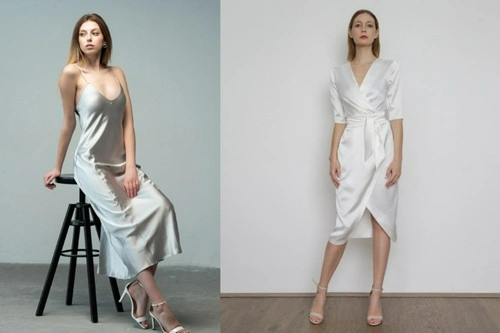
Most women wear it with an open-toe heel. If you want to make it a bit modern and easy, pair it with slim, low-profile sneakers like Sambas or similar styles. Anything bulky on the feet changes the entire silhouette and makes the dress feel heavier than it should.
If the dress feels too “bare” or flat on its own, add an oversized blazer. This creates structure on top while keeping the bottom half relaxed. The contrast between fluid fabric and structured tailoring is what makes it feel modern.
Accessories should stay minimal and quiet:
- small shoulder bag or simple crossbody
- thin hoops or no jewelry at all
- natural hair, slightly undone rather than styled
If it starts feeling too nightwear-like, it usually means you need more structure on top, not more accessories.
2. 50s fit-and-flare dress (knee-length, defined waist)
This silhouette already carries a strong shape, so the goal is to soften it rather than “match” it.
Flat leather sandals. Flat shoes or clean white sneakers keep it grounded. They stop the outfit from leaning into costume territory.
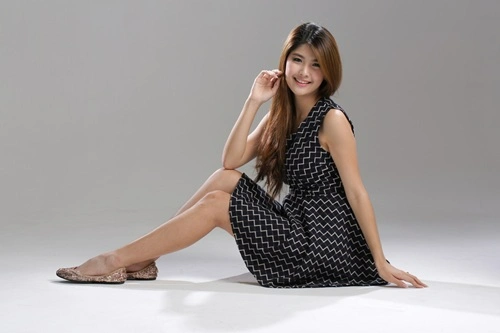
Hair matters more here than people think. Loose hair, a low bun, or a simple ponytail works better than anything overly styled. The dress already has structure, so your hair doesn’t need to compete with it.
Avoid over-styling with vintage-coded pieces like:
- headbands
- pearl gloves or matching sets
- retro heels with obvious detailing
Those push it into “theme outfit” territory fast.
If it feels too stiff, loosen the contrast instead of adding more vintage elements. Simpler shoes or less structured hair usually fix it.
3. 70s midi dress (soft floral, slightly loose fit)
This is the trickiest one because it can easily drift into shapeless or overly boho, depending on accessories.
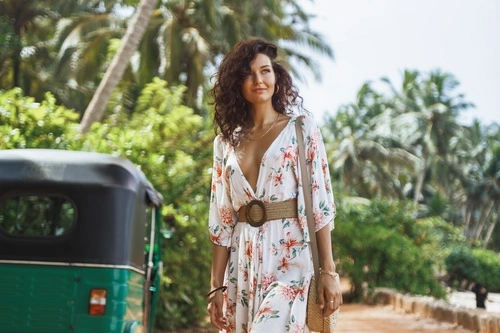
The key here is to control the silhouette, not decorate it.
A cropped jacket or structured blazer helps define the upper body so the dress doesn’t feel like it’s hanging straight down. This creates shape without fighting the fabric.
Footwear should stay clean and intact:
- ankle boots with a simple shape
- minimal flats with no heavy detailing
- avoid anything overly chunky or decorative
Accessories need restraint here. If you lean too hard into boho styling (layered necklaces, oversized hats, fringe bags), the outfit quickly loses direction. One textured piece is enough.
If the dress feels too loose overall, add structure before adding accessories. That usually solves more problems than styling ever will.
The pattern across all of them
There’s a simple rule behind all three outfits, and it has nothing to do with matching decades.
It’s about balancing weight in the outfit so nothing feels visually heavy in one place.
If the dress is soft or flowy → add structure on top or in shape
“Soft” means things like satin slip dresses, chiffon, light cotton, or anything that drapes close to the body without holding shape.
When that happens, the outfit needs something that creates shape again.
That “structure” usually means:
- a blazer (especially slightly oversized or boxy)
- a denim jacket with a firm shape
- a cropped jacket that defines the waistline
- a structured bag (like a boxy shoulder bag, not a slouchy tote)
Even footwear can add structure:
- clean white sneakers with a solid shape
- ankle boots with a defined heel and shape
Without this, the outfit can start to feel like sleepwear or underdressed, even if the dress is beautiful.
If the dress is structured → keep everything else visually simple
“Structured” means the dress already has shape built in. Think:
- Fit-and-flare dresses
- Dresses with stiff skirts or heavy pleats
- Anything that holds its shape even when you move
You can tell it’s structured if it doesn’t collapse when you sit or fold naturally at the waist.
When the dress already has that much presence, everything else should stay calm so it doesn’t compete.
That means:
- simple shoes (flat sandals, plain sneakers, low boots)
- minimal bag (small crossbody or plain shoulder bag)
- natural hair (loose, ponytail, or low bun)
- light accessories only (small earrings or none at all)
If you start adding too many “styled” elements here, the outfit feels forced very quickly.
If the silhouette is strong → reduce accessories, not personality
“Strong silhouette” means the dress already stands out on its own. You don’t need to build around it much.
Examples:
- bold 50s waist-and-skirt shape
- dramatic puff sleeves
- very defined vintage cuts
- prints that already catch attention (large florals, polka dots)
In these cases, accessories are where things usually go wrong.
Keep it minimal, especially:
- No layered necklaces
- Avoid statement earrings
- Skip belts unless the dress needs shaping
- Avoid extra hair accessories like headbands or clips
Shoes should also stay quiet. Even if they’re stylish, they shouldn’t pull attention away from the dress.
The goal here isn’t to strip everything away. It’s just to avoid adding competing focal points.
The real idea behind all of this
You’re not trying to “style” retro dresses in layers.
You’re controlling where the eye goes.
- If the dress is soft → you give the eye structure to land on
- If the dress is structured → you stop adding more visual weight
- If the silhouette is strong → you don’t introduce distractions
That’s what keeps retro outfits from feeling dated. Not matching eras. Not overthinking accessories. Just managing balance so the outfit feels intentional, not overloaded.

Most retro dress outfits go wrong with the shoes
This is where everything usually falls apart. Women instinctively try to “match” the era of the dress, but that’s exactly what makes it look forced.
1950s fit-and-flare dress
A lot of people reach for vintage pumps or pointed heels here because it feels “correct.” The problem is, it pushes the outfit too far into themed territory.
Better options:
- clean white sneakers (low-profile, minimal shape)
- flat leather sandals
- simple ballet flats without embellishment
Why it works:
The dress already has a strong structure with the waist and skirt. Adding vintage heels reinforces the era too much. A modern, minimal shoe softens it and makes it wearable in everyday settings.
How to style it:
Keep the rest of the outfit light. Loose hair, minimal jewelry, and no extra vintage accessories. Let the silhouette do the work instead of building around the decade.
1970s midi or boho-style dress
Platform heels or heavy retro boots are a common instinct here. It usually ends up feeling costume-like or overly styled.
Better options:
- ankle boots with a simple shape (no heavy buckles or thick soles)
- low block heels in neutral tones
- Minimal flats or sandals with clean straps
Why it works:
70s dresses already carry visual weight through length, prints, or flowy fabric. Heavy shoes double that weight and make the outfit feel dragged down.
How to style it:
Balance volume instead of adding more texture. If the dress is loose, add structure on top like a cropped jacket or a fitted blazer. Keep accessories minimal so the silhouette stays the focus.
1990s slip dress
This is where things most often go wrong because people either go too chunky or too bare.
Common mistake: chunky sneakers or heavy boots. It breaks the fluid line of the dress.
Better options:
- slim sneakers (Sambas, Vans, or similar low-profile styles)
- strappy minimal sandals
- clean pointed flats or low kitten heels
Why it works:
The slip dress is soft, fluid, and close to the body. It needs contrast, but not bulk. Shoes should stay visually light so the fabric can move naturally.
How to style it:
If it feels too plain, add a structured layer like an oversized blazer or denim jacket. Keep jewelry minimal. The goal is contrast, not decoration.
Remember: It’s not about matching the decade. It’s about controlling weight.
- Structured dress → light, minimal shoes
- Soft dress → simple contrast pieces, not heavy ones
- Long or bold silhouette → shoes that don’t compete
When shoes start repeating the era of the dress, the outfit stops feeling current. When they balance it instead, everything starts to look intentional without trying too hard.
Be selective with fabrics and prints (this changes the whole mood)
A lot of retro dresses look great on a hanger, but completely shift once you wear them. The issue usually isn’t the design. It’s the fabric and print working against real movement and lighting.
1. Watch for fabrics that distort the outfit in real life
Some materials don’t behave well once they’re on the body.
- Overly shiny satin or polyester blends → these can reflect light in a way that makes the dress look cheaper or more “costume-like,” especially in daylight
- Very stiff cotton or thick structured fabrics → they hold shape too rigidly, so the dress doesn’t flow when you walk and ends up looking boxy
- Thin fabric with no weight → clings too much and exposes every seam or underlayer, which makes styling harder
A good test: if the fabric looks better standing still than moving, it’s usually going to be hard to style.
2. Prints that look retro vs prints that feel theatrical
Print is where retro dresses either feel wearable or instantly overdone.
- Very high-contrast florals or oversized vintage patterns → these can look strong in photos but feel overwhelming in real life, especially on midi or full-length dresses
- Sharp polka dots on bright backgrounds → easy to tip into costume territory if everything else in the outfit is also styled
What tends to work better:
- smaller-scale florals with softer spacing
- muted or slightly faded color palettes (like dusty rose, soft navy, warm beige tones)
- spaced-out prints that give the eye room to rest
Why this matters in actual outfits
Fabric and print set the “volume” of the outfit visually, even before shoes or accessories.
For example:
- A soft floral midi in muted tones can handle sneakers and a blazer easily
- The same silhouette in high-contrast satin floral suddenly feels too loud unless everything else is stripped back
That’s why some retro dresses feel easy to wear, and others feel like they need constant fixing throughout the day.
The simple rule:
- If the fabric or print already feels loud, everything else needs to quiet down.
- If it feels soft or muted, you have more freedom with shoes and layers.
- Retro works best when it feels like part of your wardrobe, not the main event.
Tone down the “theme” styling
Hair, makeup, and accessories matter more than you think. Retro outfits rarely fail because of the dress itself. They fail because everything around the dress is styled as if it belongs in the same decade. That’s when it starts to feel like a costume instead of clothing.
The most common over-styling habits
These are the things that quietly push an outfit too far:
⚠️ Styling Mistakes
Perfect vintage curls or structured hairstyles
Looks too “set” and makes the outfit feel staged instead of wearable.
Strong graphic makeup (winged liner + bold lips)
Too many focal points compete with the dress and feel overdone.
Layered vintage-coded accessories all at once
Headbands, pearls, belts, and retro bags together create a costume effect.
✔️ What Works Instead
Soft, undone hair
Loose waves, natural texture, or a low bun keeps the outfit grounded.
One focus point in makeup
Either defined eyes or bold lips — not both at the same time.
One vintage accessory only
Let one piece lead (bag, earrings, or headband) while everything else stays minimal.
What actually makes it look wearable
The goal isn’t to remove styling completely. It’s to avoid stacking too many “strong” elements at the same time. Think in balance, not in rules — every part of the outfit should not be fighting for attention.
✔️ Simple Styling Balance Rules
If your hair feels styled
Keep makeup lighter and accessories minimal, so the focus stays balanced.
If your makeup is more defined
Keep hair relaxed — soft waves, natural texture, or a simple bun works best.
If your accessories are noticeable
Let everything else stay simple so nothing competes with them.
Real-Life Retro Dress Outfits That Actually Work
These aren’t styling rules. These are combinations that work because they balance specific retro dress types instead of over-styling them.
👗 90s slip dress (satin, mid-calf)
Outfit formula:
Slip dress + clean white sneakers + natural hair + minimal jewelry
✔ Why it works: The dress is already soft and fluid, so the sneakers stop it from feeling like sleepwear. Keeping makeup and accessories minimal lets the silhouette do the work.
👗 50s fit-and-flare dress (defined waist)
Outfit formula:
Fit-and-flare dress + soft waves or loose bun + subtle lipstick + simple flats or sneakers
✔ Why it works: The dress already has a strong structure, so everything else stays relaxed. This avoids the “costume” effect that happens with vintage heels or overly styled hair.
👗 70s midi dress (flowy / printed)
Outfit formula:
Midi dress + minimal makeup + one statement piece (bag OR earrings, not both)
✔ Why it works: The dress already has visual weight from length and print. Keeping accessories limited prevents it from feeling overloaded or overly boho.
Why does this matter?
Retro dresses already carry a visual identity on their own. The silhouette or print usually does most of the work. So when hair, makeup, and accessories all try to “match the era,” the outfit stops feeling modern because there’s no contrast left. What makes it work in real life is restraint in one area, not perfection in all of them.
The simple rule
If the dress is doing the talking, everything else should stop competing for attention. Not plain. Not underdone. Just controlled enough so the outfit feels like something you’d actually wear outside, not something you assembled for a theme.
Where to Shop Quality Retro Dresses (1920s–1970s Styles)
If you’re looking for retro dresses that actually balance style, fit, and wearability, one place worth checking is Retro-Stage. They focus on vintage-inspired pieces across different eras — from 1920s silhouettes to 1970s prints — without pushing everything into costume territory.
What stands out is that the designs are closer to wearable fashion than strict period replicas. You’ll find structured 50s-style fit-and-flare dresses, softer 70s midi cuts, and 90s-inspired slip styles that are easier to style in everyday outfits.
Retro-stage.com also tends to run seasonal discounts and offers, which makes it easier to try different styles without committing to high price points. It’s a practical option if you’re experimenting with retro looks but still want pieces that feel modern enough for daily wear.
Quick mistakes that make retro outfits look dated (and how to fix them)
These issues show up a lot, and most of the time, Women don’t realise they’re the reason the outfit feels off.
1. Matching every piece to the same decade:
This usually happens when the dress, shoes, hair, and accessories all lean into the same era at once. For example, a 50s dress paired with vintage heels, curled hair, and retro makeup. Instead of looking styled, it starts to feel like a costume or reenactment.
THE FIX:
Let only one element lead the retro direction. If the dress is already clearly vintage-inspired, keep shoes, makeup, and accessories modern and simple.
2. Over-accessorizing (belt, scarf, headband, jewellery all at once):
This creates too many focal points at the same time. Even if each accessory is nice, the outfit becomes visually crowded and hard to process.
THE FIX:
Choose one statement area only. If you wear a belt, skip headbands, and keep jewellery minimal. If earrings are the focus, let everything else stay quiet.
3. Ignoring fit and focusing only on style:
A retro dress can look correct in design, but still feel off if the proportions don’t sit properly on your body. Waist placement and hem length are usually the main issues.
THE FIX:
Tailoring makes the biggest difference. Small adjustments like shortening the hem or reshaping the waist often completely change how modern the outfit feels.
4. Choosing shoes that feel too “on theme”:
Vintage-style heels or era-specific shoes often push the outfit into costume territory, especially when the dress already has a strong retro silhouette.
THE FIX:
Use modern, minimal shoes instead. Clean sneakers, simple flats, or neutral sandals help balance the outfit without competing with the dress.
5. Going too bold with prints without balance:
Strong florals, polka dots, or busy vintage patterns can easily overwhelm the outfit when combined with heavy styling.
THE FIX:
If the print is loud, simplify everything else — neutral shoes, minimal accessories, and softer hair and makeup.
FAQ: How to Think About Retro Dresses Without Overthinking It
Q: How should I decide if a retro dress actually works for me?
A: Don’t start by thinking in decades. That usually pushes you into over-styling or forcing a “theme.”
Instead, check if the dress feels wearable in your real life without needing extra adjustments or styling tricks.
Q: What’s a better way to judge an outfit than thinking in eras?
A: Ask yourself: “Would I actually wear this out as it is?”
Not for photos or styling ideas — but for normal movement, walking, sitting, and daily life.
Q: Why does a retro outfit sometimes feel off even if it looks good?
A: It usually happens when you feel the need to justify it — changing shoes, adding accessories, or overthinking details.
That hesitation often means the outfit is too far from what you’d normally wear.
Q: What’s the simplest rule for wearing retro dresses well?
A: Retro works best when it blends into your everyday wardrobe instead of standing apart from it.
If it feels natural without explanation, you’re already doing it right.
Conclusion
Retro dresses aren’t actually hard to wear. What makes them feel complicated is the urge to fully commit to the idea of them. The moment every detail starts matching the same era, the outfit loses its relevance and starts feeling like a reference instead of something you’d naturally wear.
The fix is usually smaller than expected. Pull one or two elements back, simplify the styling, and the same dress starts to feel completely different. It doesn’t need a new identity — just a better balance around it.
If an outfit starts feeling like it belongs to a specific decade rather than your life today, it’s usually a sign you’ve gone a step too far. Retro works best when it feels current first, nostalgic second.
At the end of the day, if your outfit looks like it belongs to a specific decade, you’ve probably pushed it too far. The goal isn’t accuracy. It’s a balance.
Retro-Stage: Retro-Inspired Summer Dresses
If you’re tired of seeing the same minimalist or trend-heavy dresses across most big retailers, it can help to look at smaller, style-specific stores instead of mainstream fashion feeds. Retro Stage, which focuses on vintage-inspired summer dresses with more defined silhouettes and nostalgic design details. Their collections tend to lean into 1940s–1960s aesthetics, which naturally creates a different visual direction compared to modern fast-fashion stores.