
Summer colors sound fun until you step outside at noon and everything turns weird. Whites look blinding, pastels disappear, and anything slightly bright starts reflecting onto your face like a bad filter.
That’s the part most guides skip. Colors don’t live in a vacuum—they react to light, fabric, and even your skin tone. Midday sun is harsh. It flattens cheap fabric, exaggerates brightness, and exposes bad color choices instantly.
So instead of another “here are pretty colors” list, this is about what actually holds up outside. The kind of details you only notice after wearing something for a full day—not just trying it on indoors.
Why Summer Colors Fail (Even When They Look Good on Hangers)
A lot of summer mistakes come down to three things:
- Light exposure – Direct sunlight drains or exaggerates color
- Fabric choice – Linen vs polyester changes everything
- Skin reflection – Some colors bounce light onto your face
That’s why something that looked great in a mirror suddenly feels off the second you step outside.

1. White Isn’t Just White (And That’s Where People Mess Up)
White should be easy. It’s not.
There are two main types you’ll run into:
- Optical white – Bright, crisp, almost blue-toned
- Milk white / ecru – Softer, slightly warm
What Actually Works
- Use milk white for linen, knits, and relaxed pieces
- Save optical white for structured shirts or tailored items
Why This Matters
Under strong sunlight, optical white can look harsh—almost glowing in a way that feels cheap, especially on thin fabrics. Milk white softens that effect. It absorbs just enough light to feel expensive.
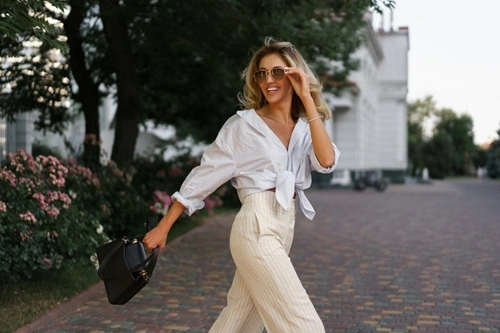
Quick Example
A milk-white linen shirt at brunch looks calm and put together.
A bright white polyester top at noon? It can look almost reflective.
2. Sky Blue Needs Texture or It Falls Flat
Sky blue is one of those colors that feels safe… until it isn’t.
Flat sky blue (especially on smooth fabrics) tends to:
- Fade under sunlight
- Turn slightly grey
- Lose depth
The Fix
Look for:
- Heathered fabrics
- Slub cotton
- Chambray textures
Why It Works
Texture breaks up the color just enough to keep it alive in bright light. Without it, the sun basically “washes out” the tone.
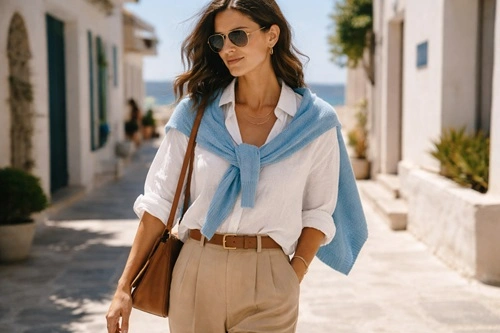
Real-Life Check
A smooth sky-blue polyester shirt can look like a uniform.
A chambray version? Instantly more relaxed and wearable.
3. Butter Yellow Only Works If the Fabric Is Right
Yellow is tricky. It reacts more to skin tone than almost any other color.
Butter yellow is softer, yes—but it still goes wrong fast.

What to Avoid
- Sheer fabrics
- Shiny satin
- Anything too thin
These turn the color into something closer to a highlighter.
What Works Better
- Matte cotton
- Silk crepe
- Heavier blends
Why This Matters
Thickness stabilizes the color. It keeps it muted instead of glowing. That’s the difference between “quiet luxury” and something that feels accidental.
4. Coral Looks Better at Sunset (Not Midday)
Coral gets labeled as “easy.” It’s not. It’s high-energy and very reactive to light.
At:
- 6 PM → Warm, flattering, glowing
- 12 PM → Can turn sharp, almost neon
How to Wear It Without Overdoing It
- Use coral for bottom pieces (skirts, shorts, trousers)
- Avoid placing it too close to your face in strong sunlight
Why This Works
Bright colors reflect onto your skin. Coral especially, can cast an orange tone upward, which doesn’t always look great in daylight.

Simple Example
Coral skirt + white top = balanced
Coral top + direct sun = harder to pull off

5. Sage Green Isn’t as “Safe” as It Looks
Sage green gets marketed as an easy neutral. That’s only half true.
On some skin tones—especially:
- Olive
- Cool pale
It can make the skin look dull or slightly grey.
How to Fix It
Add warmth nearby:
- Gold jewelry
- Tan belts
- Brown sandals
Why This Works
You’re balancing the coolness of sage with warmer elements so your skin doesn’t take the hit.
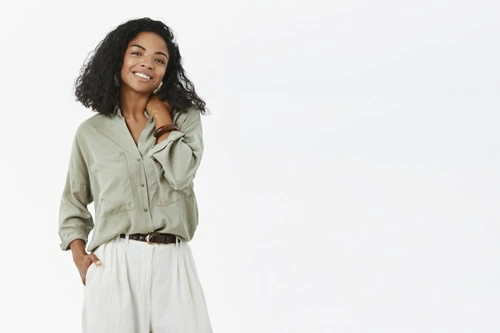
What to Watch
If you try sage and something feels off, it’s usually not the outfit—it’s the lack of contrast.
6. Hot Pink Needs Restraint (A Lot of It)
Hot pink shows up every summer, and every year people overdo it.
A full hot pink outfit sounds fun. In reality:
- It traps heat
- It’s visually loud
- It rarely works outside curated photos
Smarter Approach
Use hot pink for:
- Sandals
- Bags
- Small accents
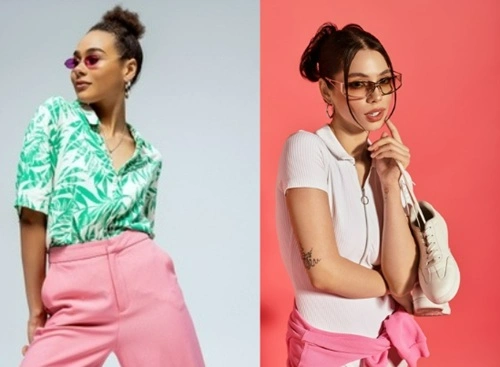
For larger pieces, switch to:
- Petal pink
- Soft rose tones
Why This Matters
You still get the energy of pink without overwhelming the entire look—or yourself in the heat.
7. Beige Can Make You Disappear (If You Pick the Wrong Shade)
Beige sounds safe. But under strong sun, it can blur into your skin tone.
That’s the “nude trap.” From a distance, there’s no contrast.

What to Do Instead
Pick:
- Toasted sand
- Warm camel
- Deeper khaki
Simple Rule
Make sure your beige is:
- At least two shades lighter or darker than your skin
Why It Works
You keep the neutral feel, but still have a visible silhouette. That’s what makes an outfit look intentional instead of washed out.
8. Lavender Only Works If It Feels Light
Lavender can easily look dated. The problem is usually the fabric.

What Doesn’t Work
- Thick polyester
- Stiff synthetic blends
These make lavender feel heavy and slightly outdated.
What Works in 2026
- Chiffon
- Organza
- Fine knits
- Sheer layers
Why This Matters
Lavender needs movement and light. Slight transparency keeps it modern and soft instead of flat.
How to Build a Summer Palette That Actually Holds Up Outside
You don’t need a full reset. Just a smarter structure.
Step 1: Start With Light-Responsive Neutrals
- Milk white
- Toasted sand
- Light denim
Step 2: Add Controlled Color
Pick 2:
- Textured sky blue
- Butter yellow (matte only)
- Coral (placed strategically)
- Sage (balanced with warmth)
Step 3: Use “Impact Points”
Instead of full outfits in bright colors:
- Shoes
- Bags
- Accessories
This keeps things wearable.
Quick Reality Checks Before You Buy Anything
Try this in-store or at home:
- Stand near a window or outside
- Check how the color changes in direct light
- Look at your face, not just the clothing
- Move around—some fabrics shift color slightly
If it only looks good indoors, skip it.
Final Thoughts
Summer colors aren’t the problem. It’s how they behave once you leave the house.
The difference between a good outfit and a frustrating one usually comes down to small details—fabric weight, undertone, placement. The kind of things you don’t notice until it’s too late.
Pay attention to those, and suddenly your wardrobe feels easier. Less trial and error. Fewer pieces are sitting unworn.
Practical Takeaway
Next time you shop, don’t just ask “Do I like this color?”
Ask:
- Does it still look good in sunlight?
- Does the fabric support the color?
- Is it too close to my skin tone?
That alone will filter out most bad purchases.
Sources
- Pantone Color Institute – https://www.pantone.com/color-intelligence
- Vogue Fashion Trends – https://www.vogue.com/fashion
- Harper’s Bazaar Trend Reports – https://www.harpersbazaar.com/fashion
DeerRun Spring Special Sale: Save Up to £260 Off!
Get summer-ready starting now! Enjoy massive savings on premium treadmills and walking pads during the DeerRun Spring Special Sale. Offer valid from March 17 to April 6. Shop now and transform your home workouts for less.