

Summer dresses should be the easiest part of getting dressed, but they’re usually the first thing that starts feeling repetitive. You end up rotating the same few outfits without meaning to, even when the dresses themselves are different. That’s where learning how to style summer dresses properly changes everything.
The real shift isn’t about buying more pieces. It’s about understanding how to style summer dresses in a way that makes each one behave differently depending on how it’s worn. Once you start changing silhouette, layering, and accessories instead of relying on one fixed formula, the same dress can look completely different across the week.
This guide breaks down practical ways to style summer dresses so they don’t all look the same, using simple outfit systems you can actually rotate in real life without overthinking it.

Why Summer Dresses Start Looking the Same
It’s annoying how quickly summer outfits start feeling identical, even when the clothes aren’t. Most of the repetition doesn’t come from having “bad” pieces. It comes from how the same styling habits get reused without thinking.
A very typical pattern looks something like this:
- You buy a dress you like
- You pair it with the one shoe that feels safest
- You grab the same bag you always use
- Then you repeat that combination for weeks
At first, it feels practical. Easy decisions. No stress in the morning. But over time, that “safe formula” starts flattening everything. Different dresses stop feeling different, because they’re all being finished the same way.
Store styling makes this worse in a subtle way. Most summer dresses are displayed as full outfits in photos and product pages. Shoes, bag, accessories, all already matched for you. It looks clean and convincing, so people copy the entire look instead of breaking it down and rebuilding it.
The result is a wardrobe that slowly converges into one visual pattern. Not because the pieces are identical, but because the styling logic never changes.
The Foundation Rule: Stop Treating Dresses as Finished Outfits
A summer dress causes problems the moment it’s treated like a complete outfit on its own. That’s usually where repetition starts creeping in. The dress gets “locked” into one version of itself, and everything else just follows that template.
It works better when the dress is seen as a starting point instead of a finished decision.
Instead of thinking, ” This dress goes with these shoes”, it’s more useful to think:
This is the base piece. Now, I can change what it becomes depending on how I style it.
That shift sounds small, but it changes how the whole wardrobe behaves. It stops the outfit from being fixed and opens up room to rework the same piece in different directions without replacing it.
A single dress can easily shift between different uses depending on styling choices:
- Casual daytime outfit with flat sandals and a simple bag
- Relaxed errands look with trainers and a crossbody
- Slightly more structured evening outfit with refined footwear and a cleaner silhouette
The dress itself doesn’t change. It’s the context around it that does the work.
The 3 Styling Levers That Actually Change Everything
Most repetition in summer outfits doesn’t come from the dress itself. It comes from repeating the same styling decisions on autopilot. These three levers control how a dress actually reads in real life.
Silhouette
Loose fit → relaxed, undone, easy movement
Fitted shape → structured, clean, more defined lines
Flowy cut → soft motion, airy and fluid presence
The cut changes the outfit before anything else even matters.
Layering
Open shirt → breaks symmetry, adds structure without weight
Light cardigan → softens silhouette, works indoors or evenings
Thin scarf → shifts focus upward, changes visual balance
It’s not extra clothing. It’s proportion control.
Accessories & Footwear
Sneakers → grounded, casual, everyday ease
Sandals/heels → cleaner finish, slightly elevated tone
Soft bag → relaxed, unstructured energy
Structured bag → sharper, more intentional silhouette
This is usually what makes the outfit feel “new.”

Wardrobe System Thinking Instead of One-Off Outfits
Most repetition doesn’t come from having too few clothes. It comes from treating each outfit like a standalone decision instead of part of a repeating system. That’s when everything starts circling back to the same look without you noticing.
Rotation works better than collection thinking. Instead of building a pile of similar dresses, each piece should do a different job in your week. So instead of vague categories, think in real wearing situations:

Loose linen or cotton dress you’d reach for on hot, low-effort days — the kind you wear when you’re just running errands, grabbing coffee, or don’t want anything touching your body too closely in humidity
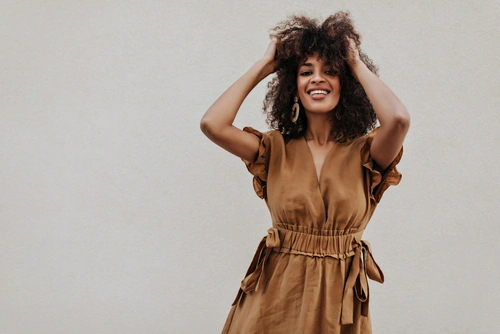
A fitted but breathable ribbed or structured cotton dress that still feels easy to move in — something you’d wear when you want to look slightly more put together, but not overdressed or restricted
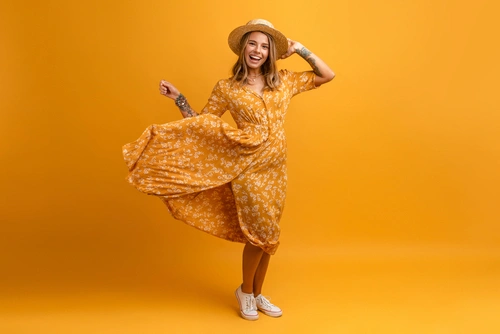
Flowy midi or maxi dress with movement in the fabric — the one that works when you want presence without effort, like dinners, small gatherings, or days where you want the outfit to carry more visual weight
Even if all three are neutral, the outfits don’t blend because the behaviour of the fabric and silhouette is different. That’s what actually changes how people perceive repetition.
The benefit is simple. You stop rebuilding outfits from zero every morning. You just rotate roles. And because each dress performs differently, the combinations naturally stop collapsing into the same visual formula.
Quick Outfit Transformations (Same Dress, Different Contexts)
This is where the whole idea actually clicks. Not in theory, but in real repetition. A summer wardrobe doesn’t start feeling boring because you ran out of dresses. It starts feeling repetitive because the same dress keeps getting assigned the same role every time.
The fix isn’t buying more. It’s breaking the “one dress = one outfit” habit and rotating how it behaves depending on context. One piece, multiple outcomes, no visual sameness.
Here’s what that looks like in real life with one simple summer dress:
Errands Mode
Flat sandals + tote bag
Grocery runs, quick coffee stops, daytime movement
Light, unstyled, purely functional. Nothing feels forced.
City Movement Mode
Trainers + crossbody bag
Walking days, commuting, all-day errands in motion
More grounded energy. Still casual, but more structured in intent.
Evening Shift
Low heels + structured bag
Dinner plans, casual evenings, slightly dressed-up moments
Same dress, different intention. The accessories carry the tone shift.
Now here’s the part people usually miss. The dress never changes. But the reason you’re wearing it changes the outcome completely. That’s what creates variety without needing more pieces.
Once you start rotating like this, something obvious shows up. You don’t actually need more dresses. You need more ways of assigning meaning to the same one. And when that system starts working, repetition drops off naturally because the outfit is no longer fixed to a single identity.
A summer wardrobe built this way stops feeling like a cycle of repeats. It becomes a rotation system instead. Same pieces, different context, different visual result every time.
Fabric and Texture Matter More Than Color
Color is usually the first thing people notice. It’s loud, it’s obvious, and it photographs well. But in real life, what actually changes how a summer dress feels is the fabric sitting on the body and how it behaves as you move.
That’s where texture quietly does more work than colour ever will. Two dresses in the same shade can land in completely different style categories just because the fabric behaves differently. You can see it in how they crease, how they hold shape, and how they react to heat or movement.
Here’s what that actually looks like in practice:
- Smooth cotton poplin → sits clean on the body, minimal visual noise, feels structured even in simple cuts. It reads neat, almost “put together” without trying.
- Crinkled or washed cotton → doesn’t fight movement or heat, so it naturally looks more relaxed. Even if the cut is simple, the surface texture makes it feel informal and lived-in.
- Linen → holds a bit of structure but never stays perfect. It shifts through the day, creases slightly, and that movement gives the outfit a more natural, effortless presence instead of a static look.
This is also where people underestimate how much “formality” is actually texture-driven. A simple, straight-cut dress in crisp cotton can feel sharper and more intentional than a patterned dress in a soft, floppy fabric. Same silhouette, completely different perception.
So when outfits start feeling repetitive, it’s often not the colour palette that’s the issue. It’s that everything is made from the same kind of fabric, behaving in the same way.
Simple Ways to Avoid Repetitive Styling
Repetition usually doesn’t come from the clothes. It comes from autopilot habits. The same shoes, the same bag, the same way of finishing an outfit without really thinking about it. That’s what makes everything start blending, even when the wardrobe is technically fine.
The fix isn’t a full restyle every time. It’s breaking the pattern in small, deliberate ways so the outfit doesn’t fall into the same visual rhythm.
A few practical shifts that actually make a difference:
- Stop defaulting every dress to the same pair of shoes just because they feel “safe.”
- Rotate bags more intentionally instead of relying on one everyday option
- Add only one contrast piece per outfit (texture, structure, or tone) instead of overloading changes
- Shift the focus of the outfit (silhouette, layering, or footwear) rather than trying to change everything at once
The important part is restraint. Too many changes at the same time don’t create variation; they just create noise. One adjustment is usually enough to make the same dress feel noticeably different again.
Building a More Flexible Summer Dress Wardrobe
A wardrobe starts feeling repetitive when everything inside it behaves the same way. Not just visually, but in how it moves, sits, and gets styled. That’s when every outfit starts collapsing into the same outline, even if the colours look different on paper.
A more flexible setup isn’t about owning more. It’s about making sure each piece has a clear difference in how it functions when worn in real life. Instead of vague categories, it looks more like this:
Core Dress Rotation (3–5 pieces)
Loose shape → relaxed, heat-friendly, minimal structure
Fitted shape → controlled silhouette, naturally more polished
Flowing shape → movement-driven, soft visual presence
Each dress should look different even before styling starts.
Structure vs Softness Balance
Structured pieces → hold shape, sharpen the overall look
Soft pieces → drape naturally, reduce visual tension
Mixed behaviour → prevents outfits from feeling identical
Variation comes from how fabric behaves, not just how it looks.
Accessory Direction Shift
Soft bags + minimal shoes → relaxed, everyday baseline
Structured bags + defined shoes → sharper, more intentional tone
Mixed styling → prevents outfits from settling into one identity
Accessories decide the “mood shift” of the same dress.
What matters here is not filling gaps, but avoiding sameness in behaviour. When each dress already has a different “personality” in how it sits, moves, and pairs with items, repetition stops being the default outcome.
That’s when the wardrobe starts working properly. Not because there’s more in it, but because nothing inside it is doing the same job twice.
Common Mistakes (How to Style Summer Dresses Differently)
Most people don’t actually run out of styling ideas. They just keep falling into the same small habits without noticing. That’s what quietly flattens a wardrobe into repetition.
This isn’t about “doing it wrong.” It’s more like a few predictable loops that keep resetting the outfit back to the same result.
Repeating the “safe shoe” instinct
The same sandals or sneakers get paired with every dress because they feel reliable.
Fix: change the shoe first, not the dress. Let footwear reset the outfit direction before anything else.
Treating every dress like it has one identity
A dress gets mentally assigned a role: “this is my casual one” or “this is my nice one.”
Fix: force a role swap. Wear the casual dress “up” once. Wear the dressy one casually.
Sticking to one bag without questioning it
One “everyday bag” ends up following every outfit, which quietly locks the style into one tone.
Fix: rotate bags as aggressively as shoes. They control the outfit mood more than people expect.
Ignoring silhouette repetition
Even with different dresses, the same shape (loose on loose, fitted on fitted) keeps repeating.
Fix: alternate structure. If yesterday was loose, today should change the silhouette direction completely.
Why these mistakes actually matter
The repetition problem isn’t dramatic. It’s subtle. It happens when one decision point gets “locked in” and never challenged again.
Shoes get locked. Bags get locked. Silhouette choices get locked. And once that happens, even different dresses start producing the same visual outcome. The fix isn’t complexity. It’s breaking those locked defaults one at a time.
Retro-Stage: Retro-Inspired Summer Dresses
If you’re tired of seeing the same minimalist or trend-heavy dresses across most big retailers, it can help to look at smaller, style-specific stores instead of mainstream fashion feeds. Retro Stage, which focuses on vintage-inspired summer dresses with more defined silhouettes and nostalgic design details. Their collections tend to lean into 1940s–1960s aesthetics, which naturally creates a different visual direction compared to modern fast-fashion stores.
Conclusion
Summer dresses start to feel repetitive when they’re treated as complete outfits rather than flexible pieces. Once styling becomes the focus rather than buying more, variation increases effortlessly.
Speaking of “How to Style Summer Dresses Differently “, most people don’t need more dresses. They need just more ways to interrupt repetition. That usually comes from changing silhouette use, mixing textures, and shifting how each piece functions in real situations.
Once that system is in place, even simple dresses stop looking the same, not because they changed, but because the styling around them finally did.
Before buying a new summer dress, try rebuilding three completely different outfits using what you already own. If they still feel repetitive, the issue is styling structure, not quantity.