
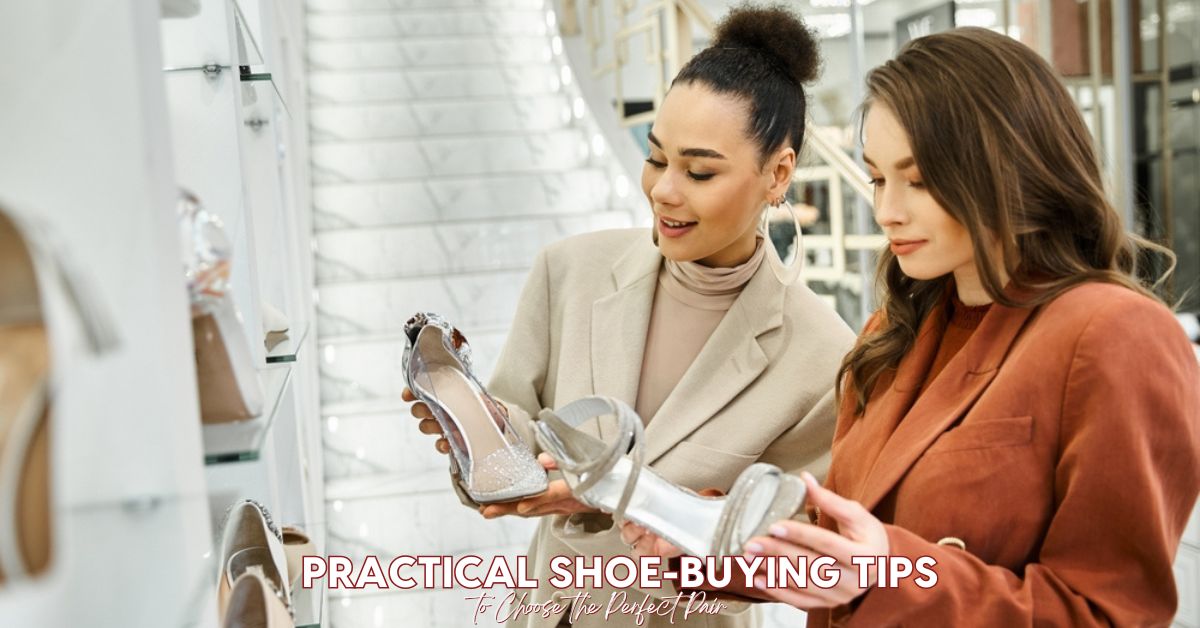
Finding the perfect pair of shoes sounds simple—until you start shopping. Then you’re faced with dozens of choices, hundreds of styles, endless trends, and a surprising number of details that can make or break your comfort. Shoes aren’t just accessories; they’re the foundation of every single step you take. And while a gorgeous pair can make you feel ready to conquer the world, the wrong pair can leave you sore, unbalanced, and regretting your purchase within minutes.
That’s why choosing shoes wisely is far more important than most people realize. Whether you’re browsing for work-ready staples, weekend casuals, fitness essentials, or stylish statement pieces, knowing what to look for can save you money, reduce foot pain, and help you feel confident every time you walk out the door. In this updated guide, you’ll find seven practical tips—backed by modern footwear research and expert advice—that will help you choose shoes that feel as good as they look.
These aren’t just random suggestions. They’re actionable, reader-friendly insights designed to help you understand what really matters when buying shoes today. From the shape and materials to flexibility and long-term fit, these tips will guide you toward smarter, healthier, and happier shoe choices.
1. Prioritize the Shape: Let Your Foot Guide the Style
The very first rule of shoe buying—one the American Podiatric Medical Association (APMA) has emphasized for years—is simple: the shape of the shoe must match the shape of your foot.
Why This Matters
Your feet are naturally shaped to support your weight and movement. Shoes should work with that shape, not against it. When the silhouette of a shoe mimics the natural outline of your foot, you get:
-
Better balance
-
Reduced friction
-
Less pressure on your toes
-
More comfort throughout the day
What to Look For
When evaluating shape, consider:
-
Width: Your toes should be able to rest naturally without squeezing together.
-
Length: There should be at least a thumb’s width between your longest toe and the end of the shoe.
-
Toe box space: Almond and round-toe designs tend to offer more comfort than pointed styles.
Exception: Heels—especially pumps—require a more precise fit to keep your foot supported and secure. Even then, avoid styles that unnaturally pinch your toes or force your weight forward excessively.
Quick Tip
Trace your foot on a sheet of paper and place shoes over the outline while shopping. If the shoe narrows too much at the front or doesn’t cover the outline evenly, skip it.

2. Nail the Fit: Don’t Fall Into the 80% Rule Trap
Experts estimate that about 80% of people wear shoes that don’t actually fit them. That number is shockingly high, and it explains why so many individuals experience foot pain, posture issues, and difficulty walking comfortably.
Common Fit Mistakes
-
Women often size down, choosing styles that look sleek but squeeze the foot.
-
Men often size up, opting for extra space that results in instability.
Both choices can cause blisters, arch pain, and long-term foot damage.
How to Ensure a Perfect Fit
-
Try shoes on later in the day—your feet naturally swell.
-
Walk across different surfaces to gauge true comfort.
-
Check for slipping at the heel or tightness at the sides.
-
Remember: a shoe should never require a “break-in” period to feel good.
Red Flags
If you see any of the following, the shoe does not fit properly:
-
Your toes touch the end before walking
-
You feel pressure points or tingling
-
The shoe puckers or bulges because your foot is forcing its way in
Fit isn’t just about size—it’s about how the shoe interacts with your movement.
3. Evaluate the Material: Soft, Durable, and Breathable Wins
Material isn’t just an aesthetic choice—it plays a major role in how shoes feel and how long they last.
What High-Quality Material Looks and Feels Like
-
Soft leather adapts to your foot and offers breathability.
-
Mesh fabrics provide flexibility and ventilation, especially in sneakers and athletic shoes.
-
Eco-friendly materials like recycled polyester and plant-based leather alternatives are now durable, comfortable, and widely available.
Why Material Matters
Good material offers:
-
Cushioning
-
Airflow
-
Structural support
-
Reduced risk of blisters
-
Shape retention
If a shoe feels stiff, rough, or overly rigid, it’s a sign that it may never become comfortable—no matter how long you wear it.
The “Instant Comfort” Rule
A quality shoe should feel comfortable right away. If the material is biting, pinching, or rubbing when you first try it on, it’s unlikely to improve over time.
4. Inspect the Inside: Avoid Bulges, Hard Spots, and Bad Seams
What you see on the outside of a shoe matters, but the inside is where comfort truly lives.
Why Interior Construction Is Crucial
Poorly made interiors can cause:
-
Blisters
-
Chafing
-
Pressure on sensitive areas of the foot
-
Long-term discomfort
Some low-cost manufacturers skip lining or use hard seams to cut production costs. While these shoes may look stylish, they’re often uncomfortable.
What to Check
Slide your hand inside the shoe and look for:
-
Rough seams
-
Hard edges
-
Bulges or glue marks
-
Uneven cushioning
Premium shoe brands typically line their footwear evenly and avoid unnecessary seams.
Practical Tip
Examine the inner sole for stitching that might rub. Shoes with smooth, cushioned footbeds usually indicate better craftsmanship.
5. Test Flexibility: Know the Difference Between Cushioning and Bend
Many shoppers confuse cushioning with flexibility—but they’re not the same thing.
Why Flexibility Matters
A good shoe allows your foot to move naturally. When the sole bends where your foot naturally bends (usually at the ball of your foot), you get:
-
Better walking comfort
-
Improved foot mechanics
-
Less pressure on joints
-
Better shock absorption
The Bending Test
Before buying, do this simple test:
-
Hold the shoe at both ends.
-
Try bending it gently.
-
It should flex at the front third—not in the middle.
A shoe that’s too stiff can make walking tiring. A shoe that bends completely in half can offer too little support.
Cushioning vs. Flexibility
-
Cushioning refers to softness inside.
-
Flexibility refers to how the sole moves.
You need both for all-day comfort.
Unleash the Thrill: Ride the Future with HappyRun E‑Bikes!
Experience the ultimate ride with HappyRun, where cutting-edge e‑bikes and electric motorcycles meet adventure. Feel the rush as you conquer trails, streets, or off-road paths with power, style, and eco-friendly efficiency. From sleek city cruisers to rugged dirt bikes, we’ve got the perfect machine to electrify your journey. Visit happyrunsports.com today and transform every ride into an unforgettable adventure!
6. Consider Foot Anatomy: Choose Styles That Support Natural Movement
Your feet are complex structures that include 26 bones, 33 joints, and more than 100 muscles, ligaments, and tendons. Shoes should support this complexity—not interfere with it.
What Anatomically Friendly Shoes Offer
-
Proper arch support
-
Stable heel placement
-
Natural toe spread
-
Supportive midsoles
Whether you prefer flats, sneakers, boots, or heels, anatomy should always be part of your buying decision.
Tips for Specific Styles
-
Heels: Look for designs that distribute pressure evenly across the ball of the foot and include padding.
-
Sneakers: Prioritize arch stability and a responsive sole.
-
Flats: Choose pairs with supportive insoles—not paper-thin versions that offer no cushioning.
-
Boots: Ensure ankle support and proper room around the toes.
Balance Style with Comfort
A well-designed shoe manages to offer both style and comfort—don’t sacrifice one for the other.
7. Try Both Shoes: Your Feet Aren’t Twins
Here’s a surprising truth: most people have one foot slightly larger than the other. This isn’t just common—it’s normal.
-
Right-handed people often have a larger right foot.
-
Left-handed people often have a larger left foot.
Shoes also stretch and change shape over time, so checking both is essential.
Why Trying Both Shoes Matters
If you only try one shoe, you may end up with:
-
Rubbing
-
Blisters
-
Uneven wear
-
Poor balance
How to Test Properly
-
Put on both shoes with the socks you plan to wear daily.
-
Walk across different surfaces ( carpet + hard floor ).
-
Stand, walk, and even take a few fast steps to mimic everyday movement.
Suppose the larger foot feels cramped, size up. Comfort should never be compromised.
A Practical Shoe-Buying Tips That Fit Your Lifestyle
Choosing the perfect pair of shoes isn’t just about fashion—it’s about taking care of your body, your posture, and your daily comfort. When you understand your foot shape, prioritize the right fit, and pay attention to materials and construction, you set yourself up for a healthier, more enjoyable walking experience. Footwear should empower you, not limit you.
Buying shoes is an investment in how you move through the world. The right pair can elevate your style, boost your confidence, and keep you comfortable from morning to night. The next time you’re shopping—online or in-store—use these seven practical tips as your personalized guide. Your feet will thank you with every step.