
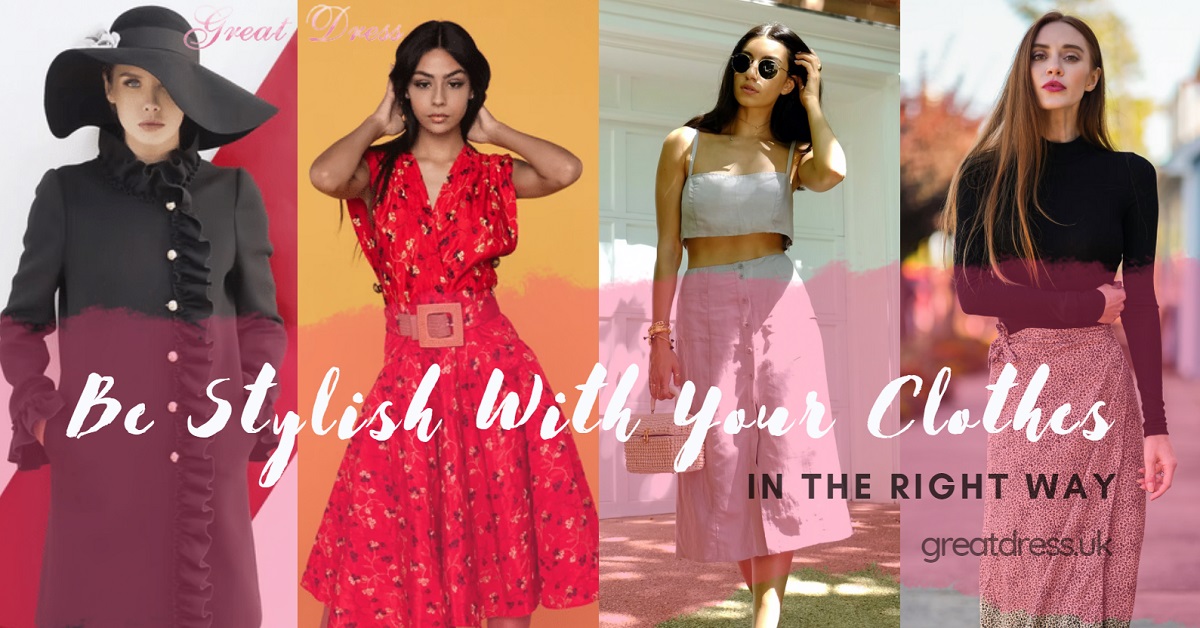
Style isn’t about owning more clothes. It’s about owning the right clothes—pieces that work harder for you, suit your lifestyle, and make getting dressed feel effortless rather than overwhelming. And in 2026, when fashion conversations are increasingly tied to sustainability, value, and personal expression, being stylish is less about trends and more about intention.
If your wardrobe feels cluttered, uninspiring, or full of “nothing to wear,” you’re not alone. Many of us have fallen into the habit of impulse buys, sale temptations, and holding onto clothes “just in case.” The good news? You don’t need a brand-new wardrobe to look better. You just need smarter choices.
This magazine-style guide expands on timeless wardrobe wisdom with up-to-date insights, practical advice, and real-life tips to help you dress well, save money, and actually enjoy your clothes. Whether you’re refreshing your style, downsizing your closet, or simply trying to shop more thoughtfully, these principles will help you be stylish — the right way.
Why Being Stylish Starts With Your Wardrobe, Not the Store
Before we talk about what not to buy, let’s reframe what style really means today.
Modern style is about:
-
Versatility over volume
-
Confidence over conformity
-
Longevity over fast trends
-
Personal fit over brand names
According to the Ellen MacArthur Foundation, the average garment is worn far fewer times today than it was 15 years ago, largely due to overconsumption and trend-driven shopping. This shift has made wardrobe organization and mindful purchasing more important than ever.
Being stylish isn’t about having more options — it’s about having better ones.

1. Don’t Buy Pieces Designed for Just One Occasion
We’ve all done it: buying a dress for a wedding, a party top for one night out, or a suit that only comes out once a year. While special-occasion pieces have their place, building a wardrobe around single-use items is one of the fastest ways to waste money and closet space.
Choose Versatile, Rewearable Pieces Instead
A smarter approach is investing in dressier items that can be styled multiple ways and worn across different settings.
Look for pieces that:
-
Work for both day and night
-
Can be dressed up or down with accessories
-
Pair well with items you already own
-
Have clean lines and classic silhouettes
Examples of versatile wardrobe heroes:
-
A tailored blazer that works with jeans, trousers, or dresses
-
A midi dress you can wear with sneakers, boots, or heels
-
Neutral trousers suitable for work, dinners, and events
-
A simple black, navy, or cream top that layers easily
Style Tip: Accessories Are Your Secret Weapon
No one notices outfit repetition when you change:
-
Shoes
-
Jewelry
-
Bags
-
Outerwear
-
Hairstyles or makeup
A single outfit can look completely different with a belt, statement earrings, or a bold shoe. This is how magazine editors and stylists maximize wardrobes without constant shopping.
2. Don’t Buy or Keep Clothes That Don’t Fit — Right Now
One of the most common wardrobe mistakes is holding onto clothes that don’t fit your current body. Whether they’re too small, too big, or simply uncomfortable, ill-fitting clothes rarely make you feel confident.
Why Keeping “Someday Clothes” Works Against You
Clothes that don’t fit:
-
Create unnecessary clutter
-
Make getting dressed more stressful
-
Encourage guilt instead of confidence
-
Take up space better-used by pieces you love
Buying smaller sizes as “motivation” or keeping old favorites “just in case” often leads to frustration rather than inspiration.
What to Do Instead
-
Dress for the body you have today
-
Choose clothes that fit comfortably and flatter your shape
-
If something is close but not perfect, consider tailoring
-
Let go of items that no longer serve you
According to professional organizers and stylists, a well-fitting wardrobe boosts confidence and makes daily outfit choices faster and easier.
3. Don’t Buy or Keep Clothes That Don’t Suit You
Just because something is trendy doesn’t mean it belongs in your wardrobe. We’ve all bought pieces because they looked amazing on someone else — a friend, an influencer, or a celebrity — only to realize they don’t feel right once we try them on.
Style Is Personal, Not Universal
Clothes that don’t suit you often:
-
Sit unworn for months or years
-
Make you feel self-conscious
-
Don’t align with your lifestyle
-
Clash with your existing wardrobe
Trends come and go, but personal style lasts.
How to Identify What Truly Suits You
Ask yourself:
-
Do I feel comfortable wearing this for a full day?
-
Does it reflect my personality and lifestyle?
-
Does it work with at least three items I already own?
-
Do I reach for it naturally?
If the answer is no, it’s likely not worth keeping.
Pro tip: Pay attention to the clothes you wear most often. They’re your best clue to what genuinely suits you.
4. Don’t Buy Something Just Because It’s on Sale
Sales can feel irresistible — especially when discounts are deep. But a “good deal” isn’t actually good if the item never gets worn.
The Real Cost of Sale Shopping
Buying something you don’t need because it’s cheap still means:
-
Money spent unnecessarily
-
Space taken up in your wardrobe
-
More clutter and decision fatigue
In fact, retail studies show that impulse purchases are far more likely during sales, even when the item wasn’t originally desired.
Source: https://www.psychologytoday.com/us/blog/brain-wise/201312/why-sales-make-us-buy-things-we-dont-need
Smart Sale Shopping Rules
Before buying, ask:
-
Would I buy this at full price?
-
Do I already own something similar?
-
Does it fit my current lifestyle?
-
Can I style it in multiple ways?
If the answer isn’t a clear yes, walk away — no matter how good the discount looks.
5. Don’t Go on Extravagant Shopping Sprees
That feeling of “I have nothing to wear” often leads to big shopping trips — and regrettable purchases. In reality, the problem usually isn’t a lack of clothes, but a lack of clarity.
Why Shopping Sprees Rarely Solve the Problem
-
You buy emotionally, not intentionally
-
Items don’t integrate well into your wardrobe
-
Trends fade quickly
-
The excitement wears off fast
A Smarter Way to Shop
-
Keep a running list of wardrobe gaps
-
Note what you wish you had when getting dressed
-
Shop with a purpose, not boredom
-
Buy fewer pieces, but better ones
This approach saves money and ensures every new purchase earns its place in your closet.
6. Discover New Brands — Thoughtfully
Sticking to familiar brands feels safe, but it can limit your style options. In 2026, there are more innovative, inclusive, and sustainable fashion brands than ever before.
Why Exploring New Brands Is Worth It
-
Better fits and size inclusivity
-
Improved fabric quality
-
Ethical and sustainable practices
-
Unique designs you won’t see everywhere
Where to Look
-
Mid-range labels focused on quality basics
-
Sustainable brands using recycled or organic materials
-
Independent designers and emerging labels
-
Second-hand and resale platforms
Popular resale platforms like Vestiaire Collective and ThredUp have made it easier to access high-quality fashion at lower prices while reducing waste.
Style That Snaps (On Your Phone): Discover Casetify Now

Your phone case is part of your outfit. Sustainable. Drop-proof. Insta-ready. Casetify is the phone case you didn’t know you needed—until now. For the latest items and exclusive discounts, visit Casetify.com today and discover a huge collection of brand-tone, trendy, tech-savvy, eco-conscious, and youth-driven cases that suit your needs.
7. Check Your Wardrobe Before You Buy Anything New
One of the simplest yet most powerful style habits is actually knowing what you already own.
Why This Step Changes Everything
When you regularly review your wardrobe:
-
You rediscover forgotten favorites
-
You avoid buying duplicates
-
You make better outfit combinations
-
You shop with intention, not guesswork
How to Do a Wardrobe Check
-
Take everything out at least once a year
-
Sort items into keep, tailor, donate, or sell
-
Group clothes by category and color
-
Identify gaps, not excess
A decluttered wardrobe makes it easier to see your personal style clearly — and that’s where true confidence begins.
How to Be Stylish With Less: A Quick Checklist
-
✔ Buy clothes you can wear multiple ways
-
✔ Prioritize fit, comfort, and confidence
-
✔ Skip trends that don’t suit you
-
✔ Avoid emotional or sale-driven shopping
-
✔ Shop intentionally, not impulsively
-
✔ Explore new brands with purpose
-
✔ Know what’s already in your wardrobe
Be Stylish With Your Clothes is Intentional
Being stylish in 2026 isn’t about chasing every new trend or filling your wardrobe with endless options. It’s about making thoughtful choices that reflect who you are, how you live, and what truly makes you feel good. When you stop buying clothes for imaginary versions of your life and start dressing for your real one, style becomes effortless.
By choosing versatile pieces, letting go of what doesn’t serve you, and shopping with clarity and confidence, you’ll find that your wardrobe works harder — and smarter — for you. Less clutter, fewer regrets, and outfits you actually love wearing. That’s real style, done right.